
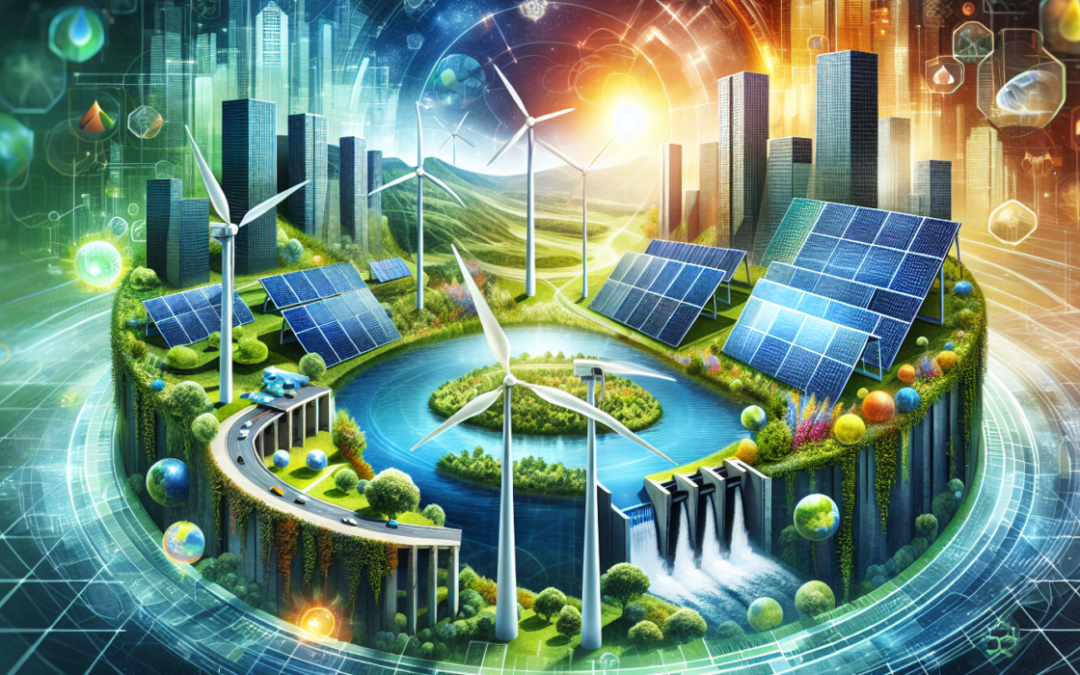
Introduction: Embracing the Renewable Energy Revolution
As the world grapples with climate change and environmental degradation, renewable energy stands as a beacon of hope. With sustainability at the forefront, countries worldwide are racing to harness renewable sources, ensuring energy security and reducing carbon emissions. Join us as we explore the top 10 countries leading this vital revolution, each making significant strides in renewable energy. Become part of this global movement today!
1. China: A Giant in Renewable Energy
China has emerged as a powerhouse in renewable energy, particularly in solar and wind power. It boasts the world’s largest solar energy capacity, thanks to its investments in solar farms and wind turbines. By prioritising low carbon emissions and energy efficiency, China is setting a global standard. The commitment to smart grids and electrification further enhances its energy landscape. Moreover, China’s Belt and Road Initiative has extended its renewable influence globally, exporting green technology and expertise to developing countries, fostering an international wave of sustainable development.
2. United States: Innovating for a Greener Tomorrow
The United States is a leader in renewable energy innovation, with significant advancements in technology and infrastructure. The country is investing heavily in solar and wind energy, alongside exploring geothermal and hydroelectric power. These efforts are crucial for achieving energy security and affordability, creating a more sustainable future. Furthermore, initiatives like the Green New Deal propose sweeping changes to make the U.S. carbon-neutral, showcasing the country’s commitment to leading by example. Explore how you can support these initiatives by joining the UW network.
3. Germany: Pioneering Energy Efficiency
Germany is synonymous with energy efficiency and sustainability. Its Energiewende policy has revolutionised how the nation approaches renewable energy. Germany excels in solar and wind energy, significantly reducing emissions and improving air quality. The country’s focus on scalable and reliable energy solutions makes it a model for others to follow. Additionally, Germany’s investment in technological research, particularly in energy storage and grid management, enhances its capability to effectively balance energy supply and demand, ensuring a steady transition to a sustainable future.
4. India: Harnessing Solar Power
With abundant sunlight, India is a leader in solar energy. Its ambitious solar projects are transforming the energy landscape, providing affordable and accessible power to millions. This commitment to renewable energy not only lowers costs but also enhances global accessibility and reduces carbon footprints. India’s International Solar Alliance aims to promote solar energy globally, particularly in solar-rich countries, indicating its dedication to fostering international cooperation and exchange in renewable energy technology.
5. Brazil: Tapping into Hydroelectric Power
Brazil’s extensive river systems make it a global leader in hydroelectric power. This renewable source accounts for a significant portion of the country’s energy, ensuring reliability and sustainability. Brazil’s focus on low carbon emissions and energy security is commendable, showcasing the potential of natural resources. The Amazon basin, with its vast water resources, continues to be a pivotal area for Brazil’s renewable energy strategy, although balancing ecological preservation with energy needs remains an ongoing challenge.
6. United Kingdom: Offshore Wind Excellence
The UK is renowned for its offshore wind farms, contributing significantly to its renewable energy capacity. The country’s dedication to scaling up wind energy reflects its commitment to reducing emissions and fostering a sustainable environment. The reliability of these wind farms ensures a steady power supply, vital for energy security. Additionally, the UK government has set ambitious targets to expand offshore wind capacity by 2030, further solidifying its role as a leader in renewable energy innovation.
7. Spain: Leading in Solar and Wind
Spain’s renewable energy strategy focuses on both solar and wind power. The country has made remarkable progress in integrating these sources into its energy grid. Spain’s emphasis on sustainability and efficiency is paving the way for a cleaner, greener future. The nation’s commitment to innovation is reflected in its development of cutting-edge technology in solar thermal energy, which enhances the efficiency and storage capabilities of renewable energy systems.
8. Australia: Solar Revolution Down Under
Australia’s vast open spaces make it ideal for solar energy projects. The country is capitalising on its natural advantages, rapidly expanding its solar capacity. These efforts not only reduce emissions but also promise a sustainable and affordable energy future. Australia is also investing in research and development, focusing on improving solar panel efficiency and integrating battery storage solutions to maximise the utilisation of solar energy.
9. Denmark: Innovating with Wind Energy
Denmark is a pioneer in wind energy, leading the world in wind power production per capita. The country’s innovative approach to renewable energy ensures energy security and affordability. Denmark’s smart grid technology further enhances the reliability of its energy supply. The country’s vision for a fossil-free future by 2050 underlines its commitment to sustainable energy, with plans to further increase its wind power capacity and explore new technologies in wave and tidal energy.
10. Sweden: A Sustainable Energy Model
Sweden’s commitment to renewable energy is evident in its diversified energy sources, including hydropower, wind, and solar. The country’s focus on sustainability and efficiency sets a benchmark for others. Sweden’s energy policies are a testament to its dedication to a low-carbon, sustainable future. The nation is also exploring bioenergy, utilising its extensive forest resources to produce biomass, which complements its renewable energy mix and aids in achieving its ambitious carbon neutrality goals by 2045.
Conclusion: The Global Impact of Renewable Energy
The renewable energy revolution is transforming our world, with countries leading the charge towards a sustainable future. By investing in renewable sources, these nations are reducing emissions, improving air quality, and ensuring energy security. This global movement towards sustainability is not just a necessity but an opportunity for a brighter tomorrow. If you want to be part of this transformative journey, consider joining the UW network today. Together, we can make a difference.