
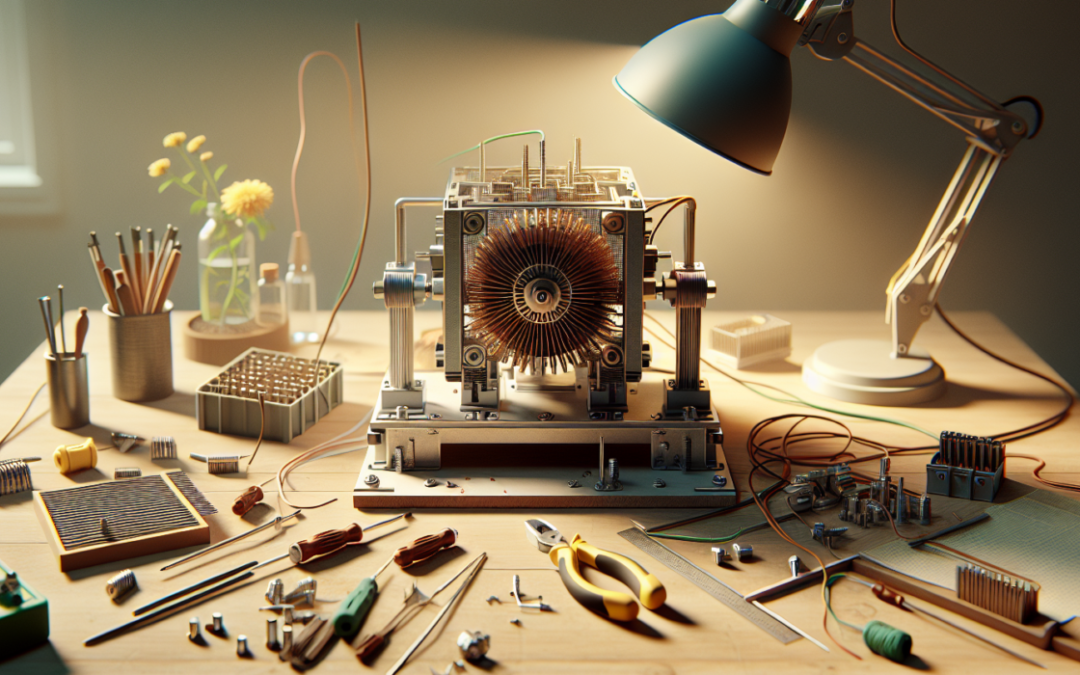
Introduction to Orgone Energy and Home Experimentation
In recent years, the concept of alternative energy has fascinated both enthusiasts and sceptics alike. One intriguing experimental idea is the Orgone Motor, rooted in the theories of Wilhelm Reich. If you’re keen on exploring alternative energy concepts safely at home, this might be the perfect project to stir your curiosity and expand your mechanical skills. The orgone motor offers a low-cost, educational experience that fuels creative thinking and encourages critical analysis.
Before diving into the details of the orgone motor, it is essential to understand the foundational theory of orgone energy. Developed by Wilhelm Reich, this theory suggests the existence of a universal life force energy, somewhat akin to the concepts of chi or prana. Although considered fringe science, orgone energy continues to pique interest in various forums, especially among those interested in experimental and alternative energy ideas.
The Origins and Theoretical Framework of Orgone Energy
To fully appreciate the orgone motor, it’s beneficial to delve into the history and development of orgone theory. Wilhelm Reich, an Austrian psychiatrist, developed the concept in the 1930s. He postulated that orgone was a massless, omnipresent substance similar to the ether, a concept previously proposed by ancient philosophers. Reich believed that this energy was responsible for various natural phenomena and could be harnessed to improve physical and mental health, as well as to generate energy.
Reich’s research was met with scepticism, and his theories were largely dismissed by the scientific community. However, the idea of orgone energy has persisted, finding a niche audience intrigued by its potential. Reich’s work laid the groundwork for modern-day explorations of the orgone motor, as enthusiasts attempt to build devices that can tap into this mysterious energy source.
Understanding the Orgone Motor
The orgone motor is essentially a device purported to harness orgone energy to produce a rotating motion. This concept is experimental and remains a topic of discussion primarily in fringe science circles. The claims surrounding the orgone motor include its ability to rotate using this mysterious energy, though the power output is notably low.
Despite its low power output, the orgone motor is an excellent educational tool. It encourages individuals to delve into historical concepts and engage in hands-on experimentation. Learning how to build and test an orgone motor can be a rewarding experience, particularly for those who enjoy tinkering and developing their mechanical skills.
Benefits of Exploring Alternative Energy at Home
Engaging in alternative energy projects like the orgone motor offers numerous benefits. Here are a few reasons why you should consider experimenting with such concepts at home:
- Educational Curiosity: Delve into the world of alternative energy and learn about the intriguing theories of Wilhelm Reich.
- Critical Thinking: Challenge your understanding of conventional energy sources and develop a critical perspective on fringe science.
- Low-Cost Project Potential: Use easily accessible materials to construct your own experimental setup without breaking the bank.
- Hands-On Learning: Gain practical experience and enhance your mechanical skills through building and testing.
- Sustainability Awareness: Explore the potential of clean energy sources and contribute to a more sustainable future.
To start your journey into the world of alternative energy, consider exploring more about the orgone motor project. This exploration not only fosters a deeper understanding of energy concepts but also ignites a passion for scientific inquiry.
How to Start Your Orgone Motor Project
Getting started with an orgone motor project is relatively straightforward, thanks to its use of low-cost materials. Begin by researching Wilhelm Reich’s theories and the basics of orgone energy. This background knowledge is crucial for understanding the principles behind the motor.
Once you have a grasp of the theory, gather the necessary materials. Typically, these include components like coils, magnets, and simple electrical connections. Detailed guides are available online, providing step-by-step instructions to help you construct your own version of an orgone motor. For a comprehensive guide, you might want to explore more about the orgone motor and its construction.
As you embark on this project, consider documenting your process. Keep a journal or a digital log of your findings, challenges, and modifications. This practice not only enhances your learning experience but also allows you to share your insights with others who might be interested in similar projects.
Safety Considerations
While experimenting with alternative energy concepts at home can be exciting, safety should always be a priority. Ensure that you are working in a safe environment, free from flammable materials, and with appropriate ventilation. Use basic electrical safety practices, such as wearing insulating gloves and avoiding wet conditions when working with electrical components.
Additionally, it’s essential to recognise the experimental nature of the orgone motor and manage expectations regarding its performance. This project should be seen primarily as an educational endeavour rather than a practical energy solution.
Engage with online communities and forums dedicated to alternative energy experiments. These platforms can provide valuable advice, troubleshooting tips, and support as you navigate the challenges of your project. Remember, safety and community engagement are key components of a successful and enjoyable experimentation experience.
Conclusion: Embrace the Journey of Discovery
Exploring alternative energy concepts like the orgone motor at home is an excellent way to embrace learning and discovery. While the claims of orgone energy and its applications are still subjects of debate, the process of experimentation encourages a deeper understanding of energy theories and mechanical skills.
Whether you’re a seasoned hobbyist or a curious beginner, the orgone motor offers an opportunity to engage in hands-on learning, fostering a spirit of innovation and creativity. If you’re ready to embark on this intriguing journey, consider learning more about the orgone motor and begin your exploration today.
Remember, the true value of such projects lies not in their immediate outcomes but in the lifelong skills, knowledge, and curiosity they cultivate. So, embrace the unknown, challenge the conventional, and let your home become a hub of scientific exploration and discovery.